Mehmed Uzun is the architect of a modern perspective in Kurdish literature
06.12.2025
Arjen Arî’s storytelling: The memory of lived experience transformed into literature
28.12.2025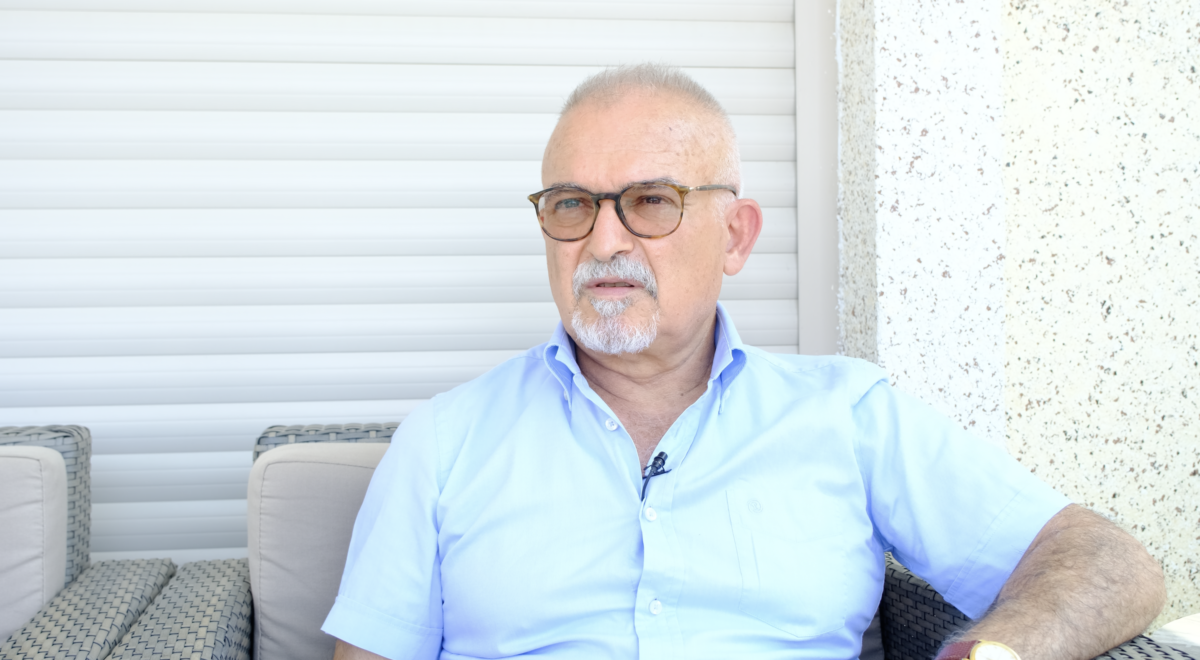
“Some things that existed in the village when we were children in the old days are now almost gone. Perhaps children don’t play them anymore.”
Dr. Fikret Yıldız (Dr. Mikaîlî), one of the writers for Birnebûn Magazine, recounted the traditional games played during his childhood and youth in the village of İnler, located in the Polatlı district of Ankara, for Şoperêç. Yıldız’s oral testimony documents the village games, which are largely forgotten today, as part of Kurdish oral culture.
Dr. Fikret Yıldız stated that one of the games they played most in their childhood was the bone game, saying, “We would wash the bone from the rear leg joint of a slaughtered sheep, paint it in different colors, and play with it. The bone had names like şeq, çiq, tox, piştek.” He explains that the game of removing the bone from the line is based on competition and sharing.
Yıldız says that years later, he encountered bone games in a museum in Greece and that this game carries a historical link between Anatolian, Persian, and Greek cultures. They had written “The Greek Prince’s Game” under the collarbone. That’s when I realized that this game is very old and shared among peoples.
The Maltêtik game, played on winter nights, is one of the most striking parts of the narrative. Yıldız notes that the references to the Euphrates River in the game reflect the Kurds’ memory of migration from east to west, saying, “We didn’t know why we played the game. Then we realized it was based on guessing which families came with their flocks.”
Alongside games such as Veşortek (hide-and-seek), Devkev, körebe, and top kapmaca, the whip game played at weddings and Rexço stand out as displays of courage and strength among young people. The cloth doll and bride games played by girls are among the elements that complete the everyday culture of village life.
This study, prepared by Şoperêç, documents games belonging to Kurdish village life through oral testimonies, aiming to preserve cultural memory in digital archives.